

LTK Pricing Explained: Plans, Features & Review
Shoppable links built an entire creator economy, and few platforms shaped that shift as directly as LTK. Formerly known as rewardStyle, it turned affiliate-driven content into a trackable sales channel and now reaches tens of millions of shoppers through its own app. That reach makes it a serious option for fashion, beauty, and lifestyle brands, yet its affiliate-first model and annual pricing don't fit every team or budget. Marketers weighing it usually want to know what it actually costs and where it falls short before signing.
In this article, we break down LTK pricing, key features, reviews, limitations, and the best LTK alternatives to consider.
LTK Pricing
LTK keeps its rates off its public website, so most figures come from brands that have gone through its sales process. Access splits into three layers: a free brand platform, self-service Connect subscriptions, and a fully managed service. The free brand platform now covers a surprising amount, including multiple user seats, browsing creator content, analytics, direct messaging, gifting, Quick Collabs, and posting campaign opportunities.
Paid Connect tiers add campaign scale and dedicated tooling on top. Connect Launch is commonly cited around $5,000 per year, Connect Pro around $12,000 per year, and Connect Scale starting near $35,000 per year for higher creator volume and enterprise features. Brands that want LTK to run the program hire LTK Optimize, its managed service, priced by custom quote. On top of any subscription, creators earn commissions that the brand sets itself, often in the 10-20% range, paid on attributed sales and billed separately from the platform fee.
Free Trial
LTK doesn't offer a traditional free trial on its paid Connect tiers. The closest equivalent is the free brand platform, which lets a team explore creator content, analytics, and messaging before upgrading to a paid campaign subscription.
Contract
Paid Connect plans run on annual contracts billed yearly, with no month-to-month option. Some agreements also include a one-time onboarding fee, so the first-year outlay can run higher than the subscription sticker price.
LTK Overview
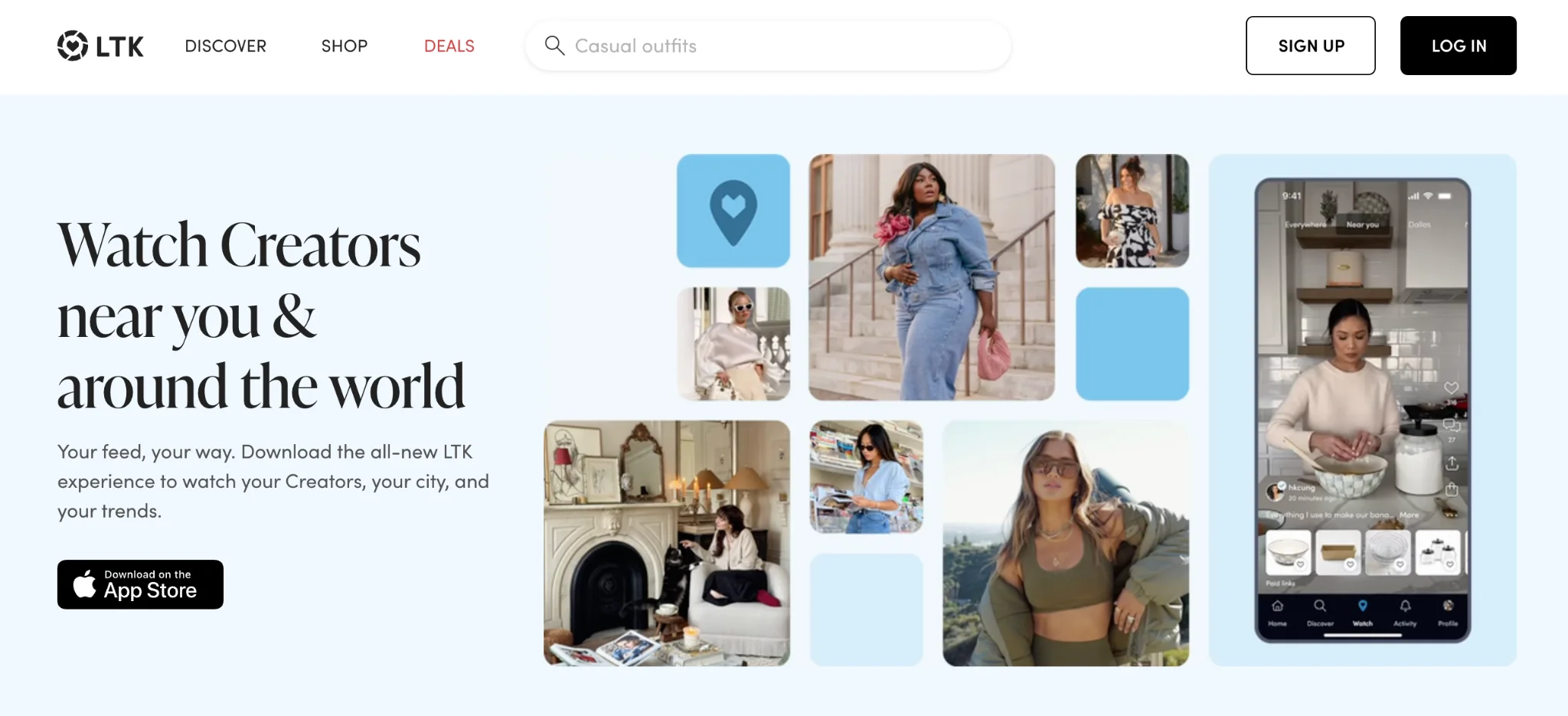
LTK, founded in 2011 and originally launched as rewardStyle, is a creator commerce platform built around affiliate-linked shopping. Its consumer app draws tens of millions of monthly shoppers who browse and buy directly from creator posts, and its network spans a large pool of vetted, invite-only creators concentrated in fashion, beauty, home, and lifestyle. For brands, LTK works as a closed loop: creators publish shoppable content, shoppers convert inside the LTK ecosystem, and every sale ties back to a specific creator and a specific piece of content.
Key Features
Curated Creator Network
LTK's creator pool is invite-only and vetted, which keeps quality high and gives brands a performance-minded roster rather than an open directory. Influencer discovery happens inside that curated network rather than across the open social web.
Conversion-Focused Creator Discovery
Brands can search and filter creators by conversion rate and historical sales performance, drawing on data LTK has collected since its early days. That makes it easier to prioritize creators who actually drive purchases rather than reach alone.
Automated Campaign Setup
When a brand selects a specific post type, such as an Instagram Story or a TikTok video, LTK auto-generates the channel-specific requirements for that deliverable, cutting the manual back-and-forth of briefing.
Content Approval Workflow
An integrated approval step lets brands review and sign off on creator content before it goes live, keeping messaging and compliance on track across a program.
Sales and Spend Dashboard
A real-time dashboard tracks spend, attributed sales, and program performance, so brands can see ROI at the creator and campaign level without stitching together separate reports.
Automated Creator Payments
Once content is approved, LTK handles creator payouts automatically, removing a common operational headache from running affiliate and commission programs at scale.
Brand Profiles and In-App Storefront
Brands can maintain a presence inside the LTK app that curates creator content featuring their products, turning the shopping app itself into a discovery and conversion surface.
Best For
LTK fits fashion, beauty, home, and lifestyle brands that want sales-attributed affiliate content over broad social reach. Its strength is bottom-of-funnel conversion inside a shopping-intent audience, which suits DTC and retail brands that live in those categories. With a free brand platform now available alongside paid tiers, it is accessible to teams of most sizes, though it delivers the most value where the creator network and shopper base already skew toward the brand's category.
Reviews
4.2/5.0 (Capterra)
Reviewers consistently praise how easily LTK links products to shoppable content and how well it manages creator affiliate relationships, along with the sales attribution that ties revenue back to individual creators. The most common criticisms center on a learning curve that isn't immediately intuitive, thinner-than-expected analytics and customization for some users, and a closed ecosystem that limits discovery and reporting beyond the LTK network.
LTK Standout Features
Free Brand Platform Access
LTK opened core brand tooling at no cost, covering seats, creator content browsing, analytics, messaging, gifting, Quick Collabs, and campaign posting. It lowers the barrier to entry dramatically and lets brands run lightweight creator collaborations before paying for a Connect subscription.
Brand Profiles in the LTK App
Brands can now hold a dedicated destination inside the LTK shopping app, curating creator posts that feature their products. Because the app already carries high purchase intent, this puts brand-relevant, shoppable content in front of an audience that is there to buy.
Quick Collabs
Quick Collabs streamlines fast, lightweight partnerships with creators, letting brands spin up smaller collaborations without the overhead of a full campaign setup, which is useful for testing creators or seasonal pushes.
LTK Limitations
Category Skew Toward Fashion and Beauty
LTK's audience and creator base are concentrated in fashion, beauty, home, and lifestyle. Brands outside those verticals, such as B2B, tech, or niche CPG, often find the network and shopper intent less aligned with their products.
Closed, Affiliate-First Ecosystem
The model is built around affiliate conversions inside the LTK app. Brands wanting full-funnel campaigns, broad social distribution, or content they fully own and repurpose everywhere may feel boxed in by the platform's closed loop.
Discovery Limited to the LTK Network
Because creator discovery happens only within LTK's invite-only pool, brands can't source or vet creators from the wider social web through the platform, which narrows the options compared with open discovery databases.
Opaque Pricing and Annual Lock-In
LTK doesn't publish rates, and paid tiers require annual commitments with no monthly path. That makes budgeting harder up front and reduces flexibility for brands that want to test before locking into a year.


Is LTK Worth It?
For brands rooted in fashion, beauty, home, or lifestyle, LTK is often worth it: the shopper base has real purchase intent, sales attribution is tight, and the free brand platform makes it easy to start. It's a weaker fit for brands outside those categories, those that want full-funnel campaigns and fully owned content, or teams that need open creator discovery and flexible monthly billing. If LTK doesn't match how your program needs to run, these alternatives are worth a look:
- Influencer Hero - An all-in-one platform covering discovery, automated influencer outreach, CRM, gifting, affiliate tracking, and ROI reporting across eight social networks, built for D2C brands scaling seeding and affiliate programs beyond a single app.
- Afluencer - A creator-brand marketplace where brands post collabs and get matched with influencers and UGC creators who are actively looking for partnerships, with built-in messaging and discovery.
- Modash - A large creator discovery database spanning Instagram, TikTok, and YouTube with deep audience analytics and fake-follower checks for vetting reach and authenticity.
- Aspire - A community and creator-marketplace approach that pairs branded-content workflows with UGC generation, strong for brands running always-on ambassador programs.
- Upfluence - An all-in-one workflow with ecommerce integrations that surfaces creators from a brand's own customer base and manages affiliate and outreach in one place.
Final Thoughts
LTK earns its place as a conversion engine for category-aligned brands, but the closed ecosystem, category skew, and annual commitments mean it isn't the right home for every program. The smart move is to match the tool to how you actually plan to run creators, whether that's open discovery, full-funnel campaigns, or affiliate at scale.