

Influenster Pricing Explained: Plans, Features & Review
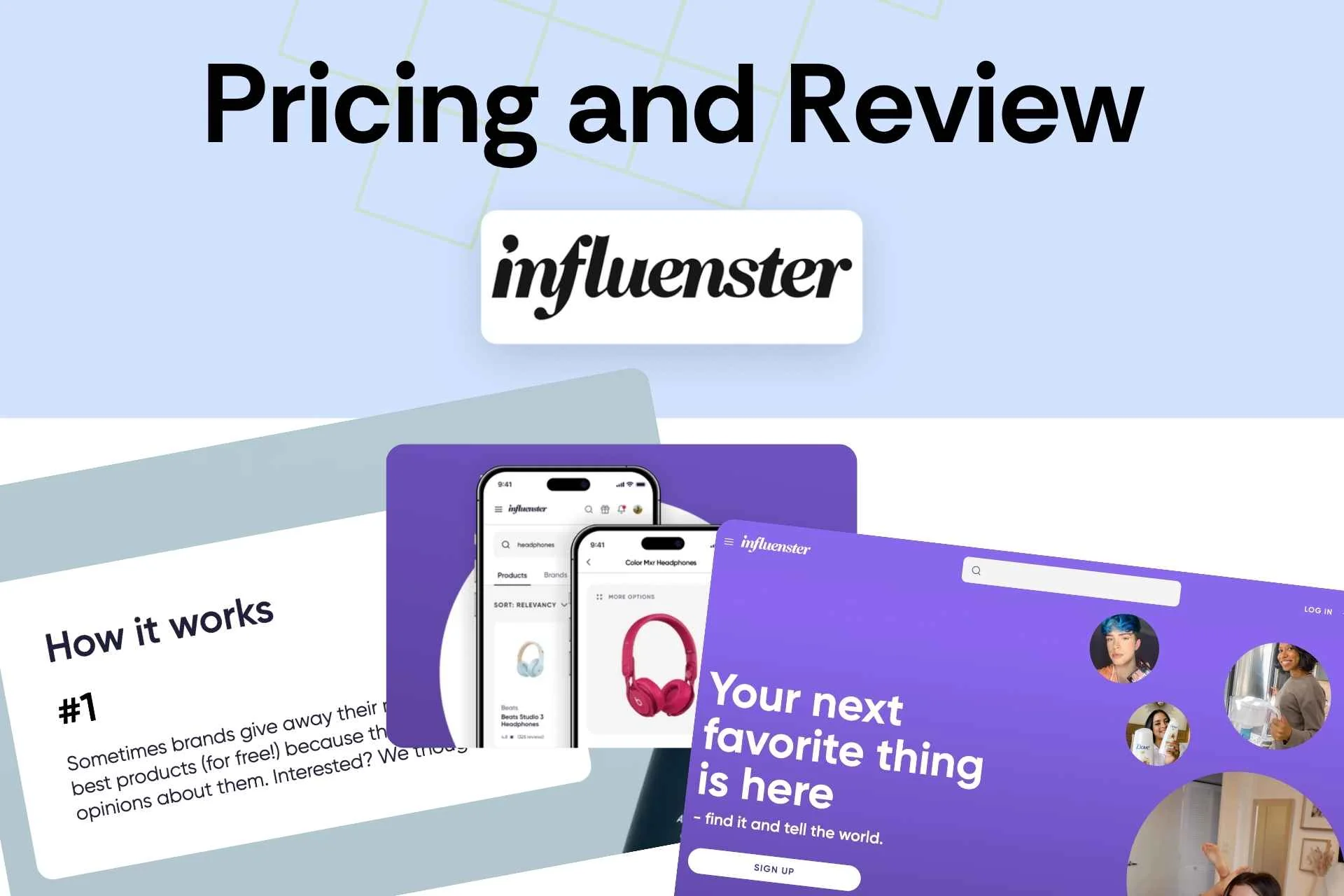
Product sampling sits in an awkward spot for most eCommerce teams: it drives reviews and social proof, but running it manually across thousands of shoppers is a logistics job nobody wants. Influenster solves that by handing brands access to a standing community of millions of consumers who have already opted in to try products and write about them. The catch is that it is a review and sampling engine first, not a creator management suite, and the commercial side runs entirely on quotes. Understanding what you are buying, and what you are not, matters before a contract lands on your desk. In this article, we break down Influenster pricing, key features, reviews, limitations, and the best Influenster alternatives to consider.
Influenster Pricing
Influenster is free for consumers and quote-based for brands. There is no self-serve plan, no published rate card, and no way to buy a sampling campaign with a credit card. Brand access runs through Bazaarvoice, which acquired Influenster and sells the community as part of its Sampling product, so pricing is negotiated as part of a wider Bazaarvoice agreement covering modules like Ratings and Reviews, Sampling, Social Commerce, and Insights. Reported contract data puts the median Bazaarvoice buyer around $36,000 per year, with deals commonly ranging from roughly $12,000 to just under $100,000 depending on catalog size, traffic, and how many modules are switched on. Larger enterprise deployments with global reach run well past that. Each module is sold in Essentials, Advanced, and Enterprise tiers, and campaign scope, sample volume, and fulfillment method all move the number.
Free Trial
There is no free trial on the brand side. Consumers join free and get matched to campaigns, but brands go through a sales conversation and a scoped proposal before anything runs. The closest thing to a test is negotiating a single smaller campaign as a pilot before committing to a multi-module agreement.
Contract
Agreements are annual by default, and multi-year terms are common because they unlock better rates. Reported discounts sit around 10 to 20 percent off an initial quote, with three-year commitments landing meaningfully lower per year than a rolling annual deal. The trade-off is flexibility, and rigid exit terms are one of the more consistent complaints from buyers.
Influenster Overview
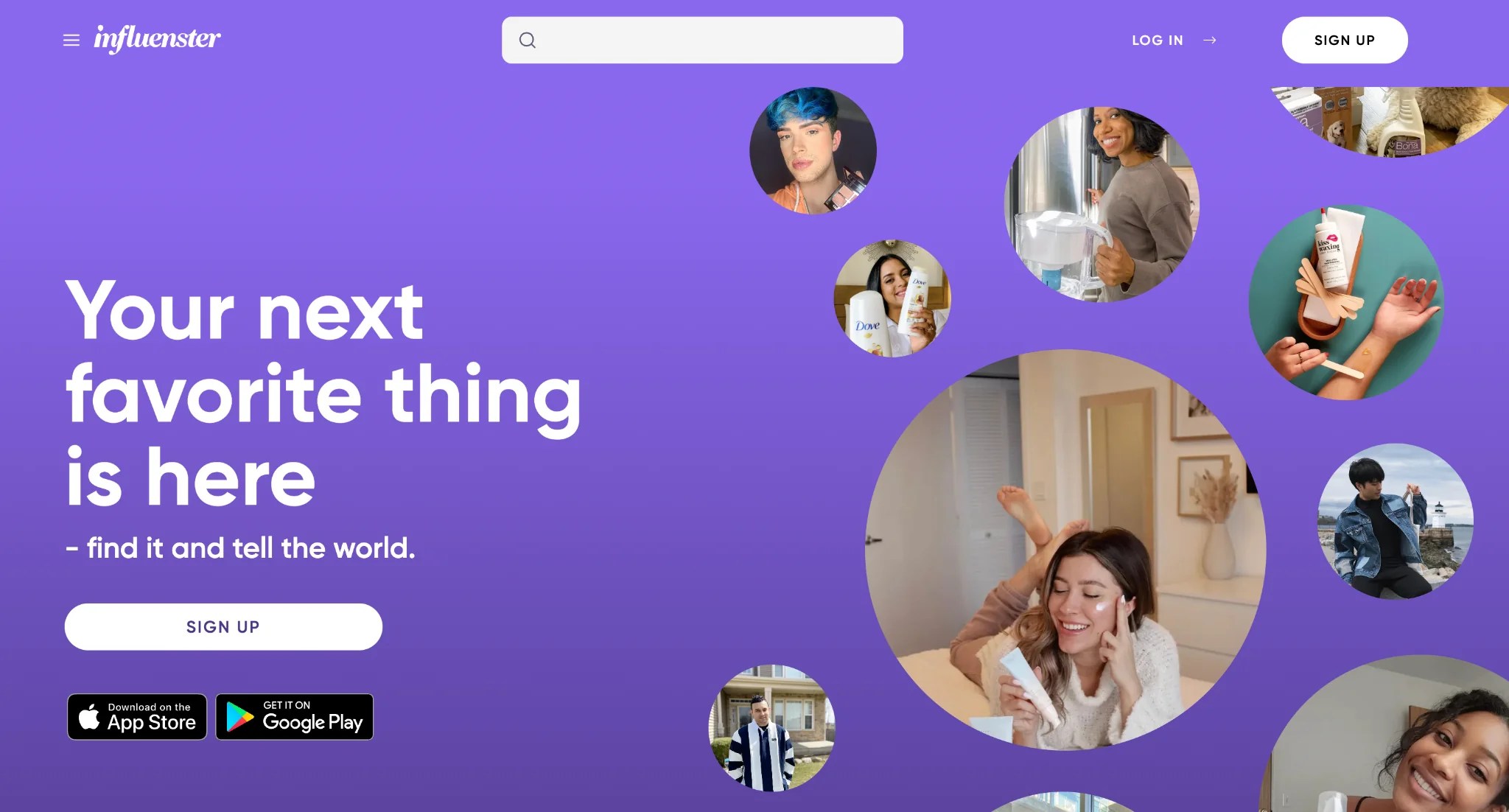
Influenster launched in 2010 as a product discovery and review community, and was acquired by Bazaarvoice in 2019. Today it houses more than nine million engaged shoppers, over 11 million reviews, and product pages spanning more than 100,000 brands. Its signature mechanic is the VoxBox, a curated package of free products sent to members who match a brand's target profile, in exchange for honest reviews, survey responses, and social content. For brands, that community becomes a sampling and review-generation channel: pick the shopper profile, ship the product, and collect reviews that syndicate across the Bazaarvoice retail network alongside social posts and photography.
Key Features
Targeted Sampling Campaigns
Brands select participants from the Influenster community using detailed member data, then ship physical products or issue digital rewards, so samples land with shoppers who actually match the target customer rather than whoever signs up first.
VoxBox and VirtualVox Programs
The VoxBox is the physical sampling format, while VirtualVox handles digital delivery for products that are impractical to ship, giving brands a route into categories where logistics would normally kill the program.
Review Generation at Volume
Sampling campaigns are built to produce reviews, and the platform reports high completion rates within the first weeks of a campaign, which is what makes it attractive for new product launches with empty product pages.
Retail Syndication
Reviews collected through Influenster can syndicate into the Bazaarvoice Network and appear on major retailer product pages, extending the value of each review well beyond a brand's own site.
UGC and Social Content Collection
Members post photos, videos, and social content as part of campaign participation, giving brands a steady stream of authentic assets they can repurpose across owned channels.
Audience Data and Targeting Signals
Member profiles carry a deep set of attributes built from reviews, surveys, and activity, which brands use to narrow targeting by category affinity, demographics, and purchase behavior.
Campaign Reporting Dashboard
A self-serve portal tracks campaign progress, content produced, and review output in near real time, so teams can see whether a sampling wave is converting into the reviews they paid for.
Best For
Influenster fits established consumer packaged goods, beauty, and household brands that sell through major retailers and need review volume fast, particularly around new product launches or a retail listing that requires a minimum review count. It also suits teams already invested in the Bazaarvoice ecosystem, since sampling plugs directly into their existing reviews and syndication setup. It is less relevant for brands whose growth depends on ongoing creator relationships rather than one-off consumer sampling.
Influenster Reviews
4.2/5.0 (G2, for parent platform Bazaarvoice)
Influenster does not carry its own brand-side rating on the major software directories, so the most useful signal is the score for Bazaarvoice, the platform brands actually buy through. Buyers consistently praise the reach of retail syndication, the quality of the sampling community, and how quickly campaigns produce review volume. The recurring criticisms are cost, contract rigidity, a learning curve on catalog and campaign setup, and support quality that varies by account. Consumer-side sentiment for the app itself is generally positive, though members note that campaign selection is competitive and inconsistent.
Influenster Standout Features
A Standing Community Instead of a Search Tool
Most platforms hand you a database and leave recruitment to you. Influenster's nine-million-member community is already opted in and profiled, which compresses the slowest part of a sampling program down to a targeting decision.
Reviews That Travel to Retailer Pages
The syndication link into the Bazaarvoice Network means a single sampling campaign can populate review counts on retail listings, not just your own product pages, which is difficult to replicate with a standalone influencer tool.
Digital Sampling for Hard-to-Ship Products
Deals and digital delivery let brands run sampling in categories where shipping is impractical, such as frozen goods, oversized items, or in-store-only lines, opening up a channel that physical sampling closes off.
Influenster Limitations
No Transparent Pricing
Everything runs through a quote, and the community is bundled into a wider Bazaarvoice agreement, which makes it hard for smaller teams to scope a budget or compare the cost against a straightforward software subscription.
Built for Reviews, Not Creator Relationships
The model optimizes for volume of consumer content. If your program depends on repeat partnerships, negotiated deliverables, and long-term creator management, you will need separate tooling to handle it.
Enterprise-Weighted Commitments
Annual and multi-year contracts with meaningful minimums put the platform out of reach for growing brands that want to test sampling before locking in spend.
Limited Control Over Output
Participants are real consumers writing honest opinions, which is the point, but it also means brands cannot script deliverables the way they would with a contracted creator, and content quality varies across a campaign.


Is Influenster Worth It?
If your priority is review volume, retail syndication, and reaching real consumers at scale, Influenster earns its place, especially for CPG and beauty brands launching products into competitive retail shelves. It is a poor fit for teams that need transparent pricing, self-serve control, or a system built around ongoing creator partnerships, affiliate revenue, and campaign-level attribution. If those are your priorities, these alternatives are worth a look:
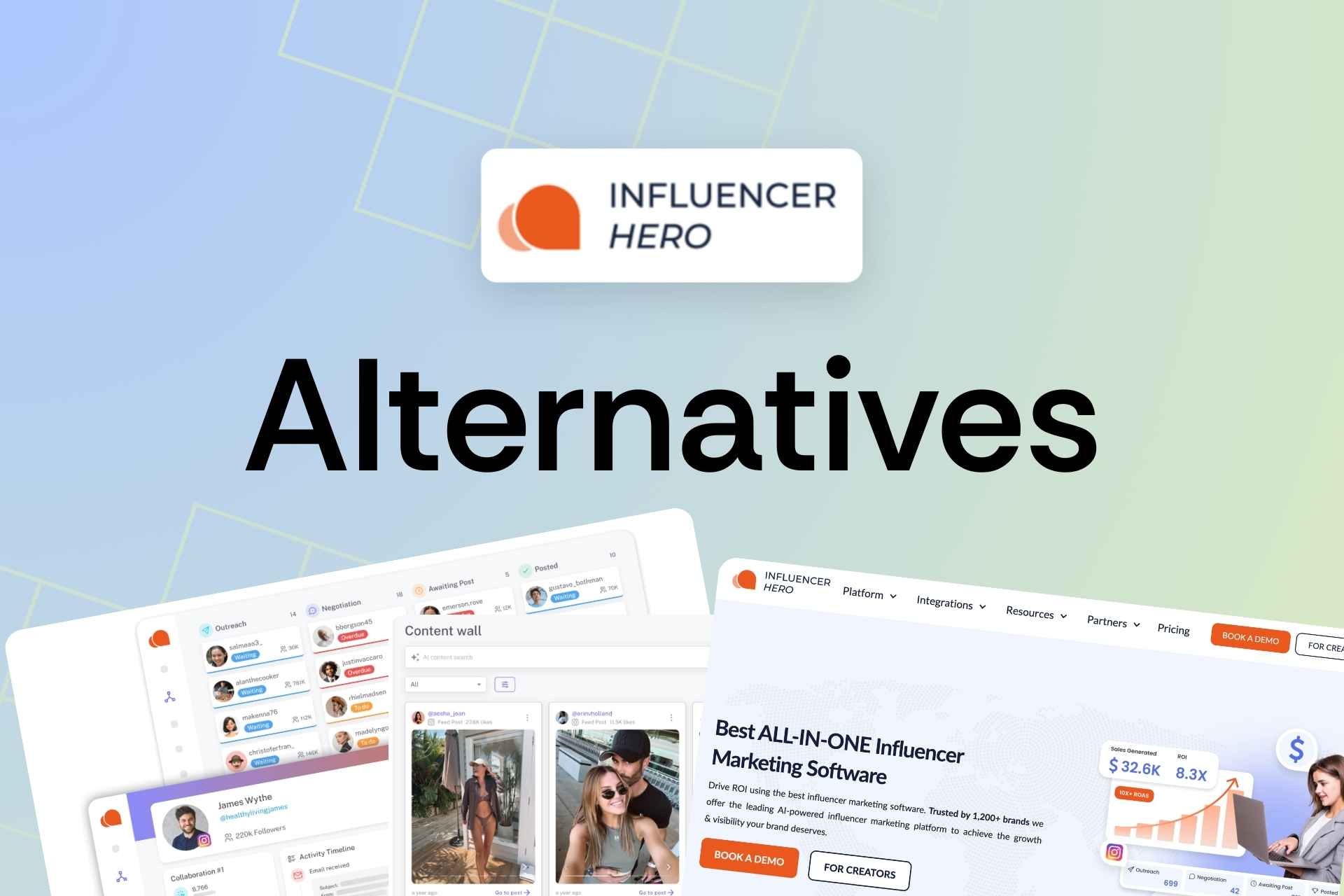
- Influencer Hero — an all-in-one platform combining creator discovery, automated outreach, influencer gifting with Shopify and WooCommerce fulfillment, affiliate tracking, and ROI reporting in one workflow.
- Afluencer — a marketplace where brands post collaborations and creators apply, useful for filling sampling and content campaigns without cold outreach.
- Insense — connects brands with UGC creators and pushes the resulting content straight into paid social as creator ads.
- Statusphere — automates micro-influencer product seeding with matching and shipping handled end to end.
- Later Influence — pairs creator campaign management with social publishing and content workflows in a single suite.
Final Thoughts
Influenster's value is concentrated in one thing it does better than almost anyone: turning a large opted-in consumer community into reviews and UGC that show up where shoppers actually buy. Whether that justifies an enterprise contract depends on how much of your growth depends on review counts versus creator partnerships, and how much of your program you want to run yourself. Brands that want product seeding and creator management under one roof usually end up looking elsewhere. For a side-by-side view of the options above and more, browse our guide to the best Influenster alternatives.